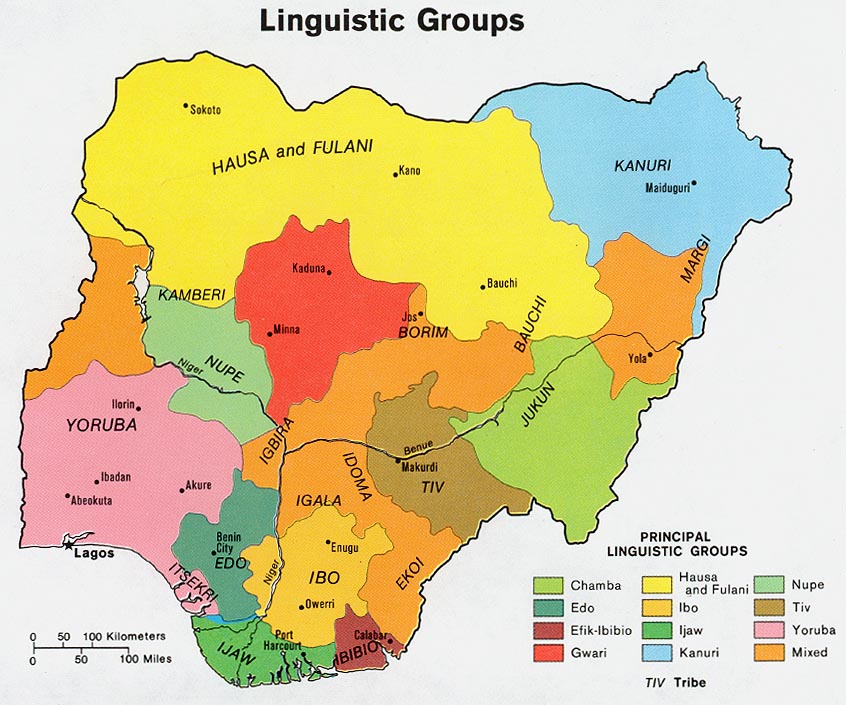
The Gwomu in Nigeria are an indigenous ethnic group found in the eastern part of the country, particularly in areas associated with Taraba State. They belong to a wider cluster of peoples in the Adamawa-Ubangi region, an area marked by significant linguistic and cultural diversity.
Their identity is closely tied to their language, Moo, which connects them to neighboring groups with related linguistic roots. Much of their history is preserved through oral tradition, with accounts of family lineage, settlement, and community development passed down through generations.
The Gwomu people generally live in rural communities where daily life revolves around farming and small-scale agriculture. Families grow crops for their own use and for local markets, and many also raise animals to support their livelihoods. Like many groups in this region, their way of life is shaped by the land and seasonal rhythms.
Community relationships are strong, with extended families often living near one another and working together. Cooperation in farming, building, and social responsibilities is common. Leadership is typically local, with elders or respected figures guiding community decisions and maintaining order.
The Moo language plays a central role in daily life, serving not only as a means of communication but also as a carrier of cultural identity and tradition.
The Gwomu in Nigeria are identified primarily as Christian, and Christianity has a significant presence within the community. At the same time, a minority of individuals may follow traditional religious practices or identify with Islam.
Where traditional beliefs are present, they generally reflect a worldview that acknowledges spiritual forces and influences beyond the visible world. These beliefs may exist alongside Christian identity in some cases.
There is clear evidence that the gospel has reached the Gwomu, yet there remains a need for deeper understanding of Scripture and for continued spiritual growth grounded in biblical truth.
The Gwomu people would benefit from continued discipleship and strong biblical teaching to help believers grow in maturity and understanding. While Christianity is present, there is a need for a deeper grasp of the gospel and consistent application of God's Word in daily life.
Bible translation work has begun in their language, indicating a need for continued progress so that Scripture can be more fully accessible and understood.
There is also a need for trained and faithful church leaders who can guide their communities with sound doctrine. Strengthening families and encouraging Christ-centered living will help establish a solid spiritual foundation.
Pray that believers among the Gwomu in Nigeria will grow in their knowledge of Scripture and live faithfully according to it.
Pray for the continued progress of Bible translation and for meaningful engagement with God's Word in the Moo language.
Pray that strong, biblically grounded leaders will be raised up to shepherd the church with clarity and faithfulness.
Pray that families will be strengthened and that the gospel will shape daily life and relationships.
Pray that the Gwomu church will develop a vision to share the message of Christ with neighboring peoples.
Scripture Prayers for the Gwomu in Nigeria.
| Profile Source: Joshua Project |